
Reviews:
I applied for a Ukrainian work visa and was not sure at first, but the whole process was quite fast and there were no big problems. I got my visa in good time.They also recommended me to apply for the Ukrainian visa at the Ukrainian Consulate in Jakarta, Indonesia, where it could be done in 2 days. I had some doubts, but really everything was fast and smooth.Big thanks to Alexander for helping me till the end and getting the result. Really appreciate it..jpeg)
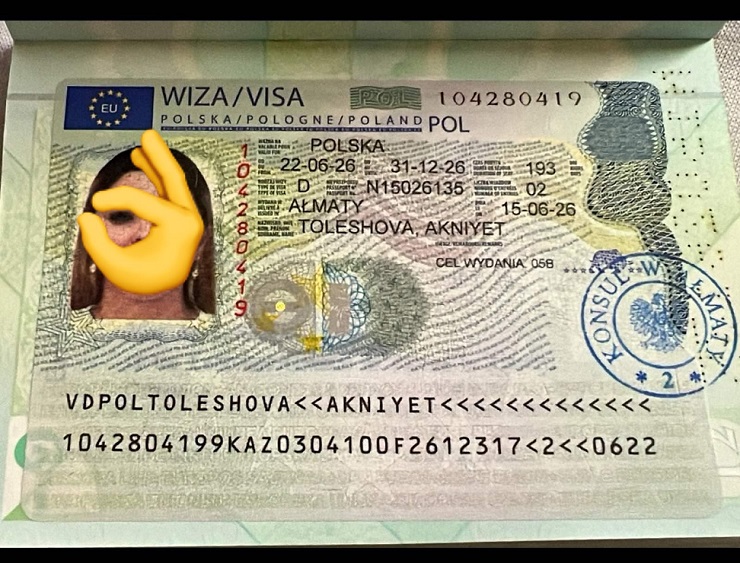
Thanks Alexander migration consultant for chance come Poland for seasonal work. Also big thanks to employer for make all visa papers for me. I dont need pay money for DHL or courier because my invitation was signed with electronic signature and issued by District Labour Office. It save me money and time. Everything was ok and I get my Poland work visa. I will recomand Invitation4Visa to my friends. Wish u more clients and good luck. Akniyet
FAQ
Frequently Asked Questions About European Work Visas
This section answers the most common questions about work visas, employer invitations, work permits, legal employment in Europe, Schengen travel, required documents,
visa processing times, and immigration procedures.
If you are planning to work in Poland, Czech Republic, Hungary, Moldova, Serbia, Slovakia, Ukraine, Bulgaria or other European countries, you will find practical information below.
Can I Pay After Receiving My Visa?
Can I Pay After Receiving My Visa?
Why Advance Payment Is Usually Required.
One of the most common questions asked by foreign workers, recruitment partners, and immigration agents is whether it is possible to pay for work visa services only after receiving a visa.
The Short Answer: In most legitimate immigration and employment programs, payment after visa approval is not possible.
This is not simply a company policy. It is a consequence of how legal employment and immigration procedures are organized in most European countries.
Long before a visa application is submitted, employers, immigration specialists, lawyers, translators, and administrative staff have already completed substantial professional work that requires time, expertise, and financial resources.
Why Is Advance Payment Required?
A work visa is not issued simply by submitting an application form. Before an applicant becomes eligible to apply for a National Work Visa (Type D) or Visa C (short term), many important legal and administrative procedures must already be completed.
Depending on the destination country, these procedures may include:
professional consultation regarding the appropriate immigration program;
preparation and signing of the employment contract;
preparation of an official employer invitation;
preparation of business, tourist, volunteer, or other invitation documents where applicable;
obtaining a work permit or government employment authorization;
receiving approvals from labour offices or immigration authorities;
preparation of legal documentation;
certified translations and notarization of documents where required;
payment of administrative or government fees where applicable;
courier delivery of original documents;
communication between employers, lawyers, immigration specialists, translators, and government institutions.
All of this work takes place before any embassy or consulate makes a visa decision. Employers Cannot Charge Workers for EmploymentIn many European countries, labour legislation does not allow employers to sell jobs or charge foreign workers recruitment fees for employment itself. For this reason, applicants do not pay employers for providing a job.
Instead, payments are made to immigration consultants, recruitment agencies, or professional service providers for services such as: document preparation;legal assistance; immigration coordination; certified translations; administrative processing; courier services; communication with employers and government authorities.
These payments cover professional services - not employment.
Professional Work Begins Immediately.
Once an applicant decides to begin the immigration process, employers and immigration specialists immediately start working on the case.
Depending on the country, this may involve preparing employment contracts, obtaining work permits, submitting applications to labour offices or immigration authorities, preparing employer invitations, arranging certified translations, and coordinating numerous administrative procedures.
These services require professional expertise and financial resources long before a visa application reaches an embassy or consulate.
For this reason, legitimate immigration programs require an advance payment before work begins.
Why Payment After Visa Approval Creates Significant Risks
International employment involves many independent parties.
During more than two decades of experience in international recruitment and immigration services, we have seen situations where applicants or recruitment partners started the process but later decided not to continue.This may happen because of: illness or unexpected medical treatment; the death of a family member; road accidents or emergencies; financial difficulties; changes in travel plans; accepting another job offer inability to obtain a visa appointment where required; personal reasons or simply changing their mind.
By that stage, employers and immigration specialists have often already completed weeks of professional work and incurred substantial administrative expenses.
These costs cannot simply be cancelled because an applicant later decides not to proceed. Advance payment protects all parties by ensuring that the professional work already performed is fairly compensated.
Visa Approval Does Not Always Mean the Process Is Completed
Another important reason is that receiving a visa does not necessarily guarantee that the applicant will fulfil the agreed employment process.
In practice, there have been cases where applicants received a legally issued work visa but later failed to complete the remaining payment obligations or never reported to the employer after entering the destination country. Some individuals change their plans after receiving a visa, decide not to start the agreed employment, or use the visa for purposes other than the original employment arrangement, subject to the immigration laws of the destination country.
Since all legal documentation, government applications, and administrative work have already been completed before the visa is issued, recovering those costs afterwards may become impossible. For this reason, payment only after visa approval is generally not a practical or sustainable business model for legitimate employers or immigration service providers.
How the Payment Process Usually Works
Although procedures vary between countries and immigration programs, the payment process generally follows a similar structure. An advance payment is made before the preparation of immigration documents begins. Employers and immigration specialists prepare the employment contract, employer invitation, work permit, government approvals, and other required documentation. The applicant receives the completed document package and proceeds with the visa application according to the immigration requirements of the destination country. The remaining balance is paid according to the agreed service conditions before the final stage of the immigration process or before the completed documents are released to the applicant. This approach allows the immigration process to proceed efficiently while ensuring that all professional services have been completed.
An Exception in Certain Moldova Work Visa Programs.
Certain Moldova work visa programs may operate differently because the visa issuance procedure is unique for applicants from some countries.
For citizens of Bangladesh, Sri Lanka, and several African and Asian countries, there is often no Moldovan embassy or consulate in their country of residence.
In these cases, applicants may send their original passport to a designated country where the Consulate of the Republic of Moldova is authorized to place the National Type D visa sticker into the passport. Even under this procedure, an advance payment is still required. The advance covers the preparation of the employment contract, employer invitation and immigration approval issued by the Moldovan authorities, legal documentation, translations, administrative work, and all professional services completed before the passport reaches the consular stage. Because the original passport remains within the official visa issuance process until the visa has been issued, some Moldova programs may allow the remaining balance to be paid after the visa sticker has been placed in the passport and before the passport is returned to the applicant. This model works because the applicant naturally wishes to receive the original passport back together with the issued work visa.
However, this is a specific feature of certain Moldova work visa programs and should not be considered the standard procedure for other European countries.
Be Careful with "Pay After Visa" Offers.
Some websites advertise "Pay After Visa" or "100% Payment After Approval" as a marketing strategy.Before relying on such promises, applicants should ask a simple question:
Who is paying for the legal work, document preparation, translations, government applications, administrative processing, courier delivery, and professional services before the visa is issued? A transparent immigration company should always be able to explain exactly how the process works, what services are included, and at which stage each payment becomes due.
Our Recommendation
Before starting any immigration process, make sure you clearly understand: which services are included; which documents will be prepared; what payments are required at each stage; what responsibilities belong to the applicant, the employer, and the immigration service provider. Working with transparent professionals who clearly explain every stage of the process helps applicants avoid misunderstandings, unrealistic expectations, financial disputes, and immigration scams.
Conclusion
Advance payment is not a payment for employment. It is payment for the professional legal, administrative, and immigration services required to prepare an application before a visa can be issued. Every legitimate work visa program requires significant preparation long before a consular officer makes a visa decision.
Understanding this process helps applicants make informed decisions and choose reliable immigration partners who operate transparently and in accordance with applicable immigration procedures.
What Documents Are Required for a European Work Visa?
What Documents Are Required for a European Work Visa?
Applying for a European work visa involves more than simply completing a visa application form. Every country has its own immigration legislation and document requirements, but most European work visa procedures follow a similar legal framework.Preparing the correct documents from the beginning is one of the most important factors in avoiding unnecessary delays, requests for additional information, or visa refusal.This guide explains which documents are commonly required for a European work visa and why each document is important during the immigration process.
Standard Documents Required for a European Work Visa.
Although the exact requirements differ between countries, applicants are commonly asked to provide the following documents:
- a valid passport;
- completed visa application form;
- recent passport-size photographs;
- signed employment contract (where applicable);
- official employer invitation;
- work permit or government employment authorization (if required);
- Police Clearance Certificate (PCC), where required;
- proof of accommodation, depending on the destination country (if required);
- medical insurance, if required by national legislation;
- proof of payment of the applicable visa fee.
Additional documents may be requested depending on the destination country, the applicant's nationality, or the specific immigration program.
Passport Requirements
A valid passport is one of the most important documents in every work visa application.Many European countries require the passport to:remain valid for several months beyond the planned arrival date;contain sufficient blank visa pages;be in good physical condition.Applicants should always verify passport validity requirements before beginning the immigration process.
Employment Contract
Many work visa applications require an employment contract signed by both the employer and the employee.
The contract usually contains information such as: job position; salary; working hours; employment duration; employer details; working conditions.
The employment contract demonstrates that a genuine employment relationship exists.
Employer Invitation
Many European employers issue an official employer invitation before the visa application begins.
The invitation confirms that: the employer intends to hire the applicant; the position has been approved where required; the employer is legally authorized to employ foreign workers under the applicable national legislation.
Depending on the country, the employer invitation may be issued before or after government approval.
Work Permit or Government Approval
Some European countries require employers to obtain a work permit or official employment authorization before the applicant can submit a work visa application.
In other countries, immigration approval is issued directly by the competent government authority instead of a traditional work permit.
The exact procedure depends on national immigration legislation.
Police Clearance Certificate (PCC)
Many European immigration authorities require applicants to submit a Police Clearance Certificate confirming the absence of a criminal record.
The certificate may need to: be recently issued; be legalized or issued with an Apostille where required; be translated by a certified translator if requested.
Requirements vary depending on the destination country.
Medical Insurance
Some countries require proof of valid medical insurance covering the applicant during the visa period or until national health insurance becomes available after arrival.
Applicants should always verify the insurance requirements established by the destination country.
Certified Translations and Legalization
Documents issued outside the destination country may need: certified translation; notarization; Apostille; legalization. The required procedure depends on international agreements and the legislation of the receiving country.
Can Additional Documents Be Requested?
Yes. Immigration authorities have the right to request additional documentation whenever necessary. Examples may include:proof of previous employment; educational qualifications; financial documents; proof of accommodation; family documents; additional identity verification.
Submitting complete and accurate documentation helps reduce delays during the application process.
Important Recommendations
Before submitting your application:carefully review the document requirements of the destination country; ensure that all documents are complete and up to date; verify whether certified translations or Apostilles are required; make sure your passport remains valid for the required period; prepare original documents if requested by the embassy or immigration authorities. Providing complete documentation from the beginning significantly improves the efficiency of the work visa application process.
Conclusion
Every European country establishes its own work visa requirements, and the list of required documents may differ depending on the immigration program, the applicant's nationality, and the type of employment. Preparing the correct documentation before submitting the application is one of the most important steps toward obtaining a European work visa successfully. Applicants should always follow the official requirements of the destination country and ensure that all documents are accurate, complete, and submitted within the required timeframes.
Can I Travel to Other Schengen Countries with a Polish or Other Schengen Work Visa?
Can I Travel to Other Schengen Countries with a Polish or Other Schengen Work Visa?
Yes. In most cases, holders of a valid Polish National Work Visa (Type D) may travel to other countries within the Schengen Area for short visits, provided they comply with current Schengen immigration regulations.
A Polish work visa is issued for legal employment in Poland, but it also allows temporary travel throughout the Schengen Zone for tourism, family visits, or business meetings. Your primary place of residence and employment must remain in Poland, while visits to other Schengen countries are generally limited under the 90/180-day rule.
The same principle usually applies to national work visas issued by other Schengen countries, including the Czech Republic and Hungary.
It is important to understand that the right to travel does not automatically give permission to work in another Schengen country. Employment is normally allowed only in the country that issued your work permit or work visa unless additional authorization has been granted by another national immigration authority.
Before travelling, always make sure that:
your work visa remains valid;
your passport is valid;
you continue to meet the entry requirements of the Schengen Area;
you comply with the permitted duration of stay outside the issuing country.
If your objective is long-term legal employment in another European country, you will normally need to obtain a separate work permit and work visa according to that country's immigration legislation.
Invitation4Visa provides information and assistance regarding legal employment opportunities, employer invitations, work permits, and work visa procedures for several European countries.
↑ TopCan I Change a Tourist Visa into a Work Visa in Europe?
Can I Change a Tourist Visa into a Work Visa in Europe?
Many foreign nationals ask whether it is possible to enter a European country with a tourist, business or private visa and later change it into a work visa without returning home.
In most cases, the answer is No.
European immigration laws generally require foreign workers to obtain a work permit, an official employer invitation, and a National Long-Stay Work Visa (Type D) before starting legal employment. A short-term Schengen Visa (Type C) is intended for tourism, business meetings, family visits, or other temporary purposes and normally cannot be converted into a work visa while you remain inside the country.
Although immigration regulations differ between countries, most European states—including Poland, Czech Republic, Hungary, Serbia, Moldova, and many others—require applicants to complete the work visa process through the appropriate embassy or consulate before beginning employment.
In certain exceptional situations, immigration authorities may allow a different procedure based on national legislation, humanitarian grounds, family reunification, or other special legal circumstances. However, these cases are rare and should not be considered the standard immigration process.
Our Recommendation
If your goal is legal employment in Europe, it is always safer and faster to begin with the correct documentation from the very beginning. This usually includes:
an official employer invitation;
a valid employment contract;
a work permit or government employment approval (where required);
a National Work Visa (Type D).
Applying through the correct legal procedure significantly reduces the risk of visa refusal, immigration violations, delays, or future entry restrictions.
Invitation4Visa provides information about legal employment procedures, employer invitations, work permits, and work visa documentation for selected European countries, helping foreign workers understand the official immigration process before submitting their applications.
↑ TopWhich European Countries Do You Help With Work Visas?
Which European Countries Do You Help With Work Visas?
Invitation4Visa provides information and professional assistance related to legal employment opportunities, employer invitations, work permits, and work visa procedures for selected European countries.
Depending on available employer programs and current immigration regulations, our services may include assistance with employment documentation for countries such as:
Moldova
Ukraine
Serbia
Poland
Czech Republic
Hungary
Bulgaria
Finland
Germany
Slovakia
and others.
The immigration process differs from country to country. Some employers first obtain government approval before issuing an official employer invitation, while others require a work permit before the visa application can be submitted. Certain countries also require an employment contract as part of the documentation package.
Our role is to help applicants understand the legal procedure, prepare the required documents, coordinate the application process with employers, and provide guidance throughout the work visa application.
Every application is reviewed individually because visa requirements, processing times, document lists, and immigration regulations vary depending on the destination country and the applicant's nationality.
We recommend following only official and legal immigration procedures. Starting employment with the correct work authorization helps avoid visa refusals, immigration violations, and unnecessary delays.
If you are looking for legal employment in Europe, you can explore the available work visa programs on our website or contact us for information about current employer invitations and work permit opportunities.
↑ TopWhich Countries Are Part of the Schengen Area?
Which Countries Are Part of the Schengen Area?
One of the most common questions from foreign workers is which European countries belong to the Schengen Area and whether a valid work visa allows travel between them.
The Schengen Area is a group of European countries that have removed internal border controls, allowing people to travel between member states without routine passport checks at internal borders.
It is important to understand that the Schengen Area is different from the European Union (EU). While most Schengen countries are EU members, several non-EU countries also participate in the Schengen Agreement.
Current Schengen Countries
The Schengen Area currently includes the following countries:
Austria
Belgium
Croatia
Czech Republic
Denmark
Estonia
Finland
France
Germany
Greece
Hungary
Iceland
Italy
Latvia
Liechtenstein
Lithuania
Luxembourg
Malta
Netherlands
Norway
Poland
Portugal
Slovakia
Slovenia
Spain
Sweden
Switzerland
Bulgaria
Romania
Why Is the Schengen Area Important?
If you hold a valid National Work Visa (Type D) or a valid residence permit issued by a Schengen country, you may generally travel to other Schengen countries for short stays, provided you comply with current immigration regulations and the 90/180-day rule.
However, travelling within the Schengen Area does not automatically give you the right to work in another Schengen country. Employment is generally permitted only in the country that issued your work permit or residence authorization, unless you obtain additional authorization from another country's immigration authorities.
If you are planning legal employment in Europe, it is important to understand the difference between a Schengen Visa (Type C), a National Work Visa (Type D), and a work permit, as each document grants different rights and has different legal requirements.
Invitation4Visa provides information about legal employment opportunities, employer invitations, work permits, and work visa procedures for selected European countries.
↑ Top
How Can I Get a European Work Visa?
How Can I Get a European Work Visa?
Obtaining a European work visa starts with securing a genuine job offer from an employer legally authorized to hire foreign workers. In most European countries, applicants cannot apply for a work visa independently without employment sponsorship. Although immigration procedures differ from one country to another, the process generally follows the same sequence.
Typical European Work Visa Process.
Most European work visa applications include the following steps:
finding an employer offering legal employment;
obtaining an official employer invitation (where applicable);
receiving a work permit or government employment authorization;
preparing the required visa documents;
submitting the visa application to the appropriate embassy or consulate;
receiving a National Long-Stay Work Visa (Type D) or seasonal visa (Type C) before travelling.
Depending on the country, additional documentation or immigration approval may also be required before the visa can be issued.
Required Documents:
The required documents vary by country but commonly include: a valid passport; employer invitation; work permit or government approval (if required);
passport photographs; police clearance certificate (when required); completed visa application form; medical insurance (depending on national regulations).
Some countries may request additional documents based on nationality, occupation, or immigration regulations.
Important Information: Applicants should only begin the work visa process after receiving an official employment offer.
Purchasing airline tickets, resigning from a current job, or making travel arrangements before visa approval is generally not recommended.
Work visa requirements are established by the immigration authorities of each individual country and may change over time.
Our Recommendation: If you are planning to work legally in Europe, always follow the official immigration procedure for the country where you intend to work.
Preparing the correct documents from the beginning significantly increases the chances of a successful visa application and helps avoid unnecessary delays or refusals.
Police Clearance Certificate in Ukraine
Police Clearance Certificate (PCC) in Ukraine – Complete Guide, Requirements & Processing Time.
A Police Clearance Certificate (PCC) from Ukraine is an official document that confirms whether a person has a criminal record during their stay or residence in Ukraine.
It is also commonly referred to as a Certificate of No Criminal Record, Criminal Record Certificate, or Police Certificate.
A Ukrainian PCC is frequently required for employment abroad, work visa applications, immigration procedures, residence permits, citizenship applications, university admissions, volunteer programs, and other official legal processes.This guide explains what a Ukrainian Police Clearance Certificate is, who issues it, how to obtain it, processing times, validity, and other important information.
What Is a Police Clearance Certificate?
A Police Clearance Certificate (PCC) is an official document issued by the Ministry of Internal Affairs of Ukraine (MIA). The certificate confirms whether the applicant has:no criminal record; previous criminal convictions; information recorded in the official criminal database of Ukraine. Many foreign governments, employers, universities, immigration authorities, and visa offices require this document as part of background verification.
When Is a Ukrainian PCC Required? A Ukrainian Police Clearance Certificate may be requested for: employment abroad; work permit applications; work visa applications; immigration and permanent residence; temporary residence permits; citizenship applications; university admission; volunteer programs; family reunification; international background verification. Requirements vary depending on the country where the certificate will be submitted.
Who Issues the Certificate?
The Police Clearance Certificate is officially issued by the Ministry of Internal Affairs of Ukraine. Only officially issued certificates should be submitted to immigration authorities, embassies, employers, universities, and government institutions.
Can I Apply from Outside Ukraine?
Yes.In many cases, applicants who are currently living outside Ukraine may still be able to obtain a Ukrainian Police Clearance Certificate through an authorized representative or professional assistance, depending on the applicable legal requirements and documentation. The available procedure depends on the applicant's individual circumstances and current Ukrainian regulations.
Can Someone Apply on My Behalf?
In certain situations, a Police Clearance Certificate may be requested through an authorized representative acting under a properly executed power of attorney or other legally accepted authorization. The available procedure depends on current Ukrainian legislation and the applicant's personal circumstances.
What Documents May Be Required?
The required documents may vary depending on the application method. Typically, applicants may need:a valid passport;i dentification documents; authorization documents (where applicable); additional information requested by the issuing authority. Additional documentation may be required depending on the purpose of the certificate.
Processing Time
Processing times may vary depending on the workload of the issuing authority and the application procedure. In many cases, a Ukrainian Police Clearance Certificate can be issued within 5 business days to approximately 2 weeks. Urgent processing may be available depending on the specific circumstances.
How Long Is the Certificate Valid?
The Police Clearance Certificate itself does not always contain a fixed expiration date. However, the receiving authority usually determines how recent the document must be.
Many immigration authorities, employers, and embassies accept certificates issued within the previous 3 to 6 months, although requirements vary by country.
Applicants should always verify the validity requirements with the authority requesting the document.
Does the Certificate Need an Apostille or Legalization?
Some countries require a Ukrainian Police Clearance Certificate to be legalized or issued with an Apostille before it can be accepted abroad.
Others may require certified translations into the official language of the destination country.
The exact requirements depend on the country where the document will be submitted.
What Information Does the Certificate Contain?
A Ukrainian Police Clearance Certificate generally confirms whether: the applicant has no criminal record; orcriminal history information exists in the official records maintained by the competent authorities. The document is issued in accordance with Ukrainian legislation.
Important Recommendations
If a Police Clearance Certificate will be used for immigration, employment, or visa purposes, it is recommended to:apply well in advance;verify the validity period required by the receiving authority; confirm whether legalization, Apostille, or certified translation is required; ensure that the document meets the specific requirements of the destination country. Preparing these documents in advance helps avoid unnecessary delays during immigration or visa procedures.
Need Professional Assistance?
If you require assistance obtaining a Police Clearance Certificate (PCC) from Ukraine, our team can provide professional guidance throughout the application process.
We assist applicants with document preparation, procedural guidance, and administrative support to help ensure that the certificate is obtained correctly and can be used for employment, immigration, visa, or other official purposes where applicable.
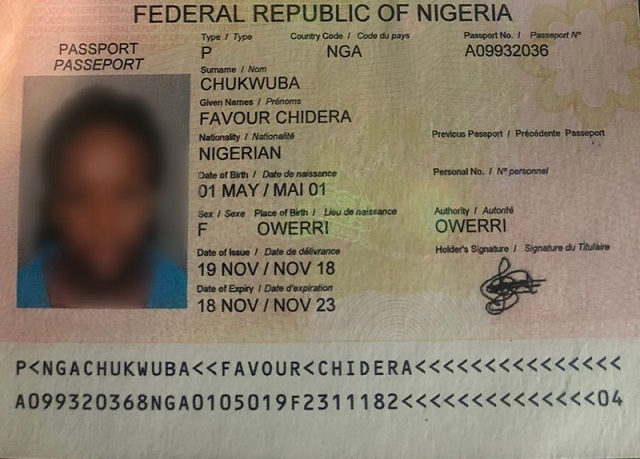
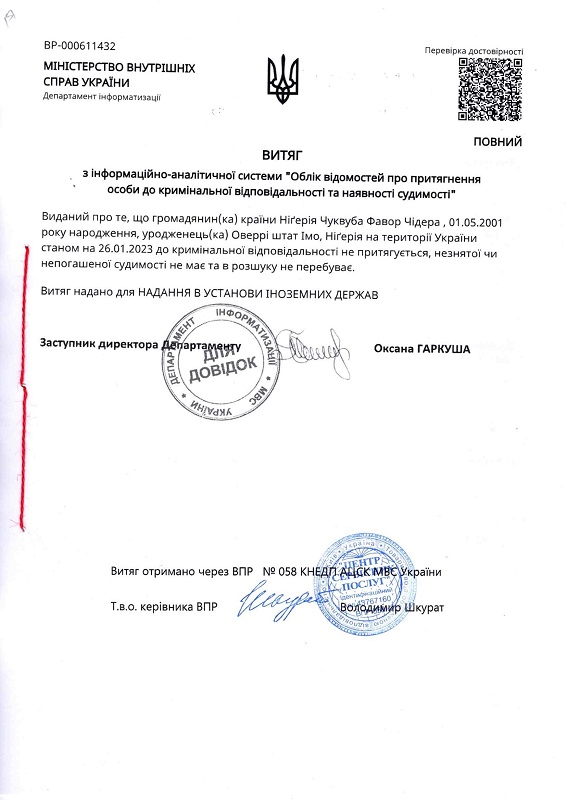
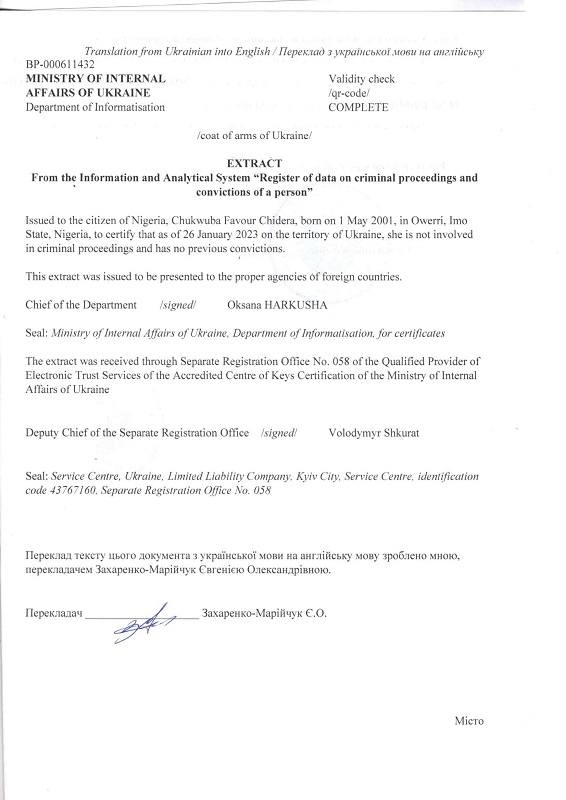
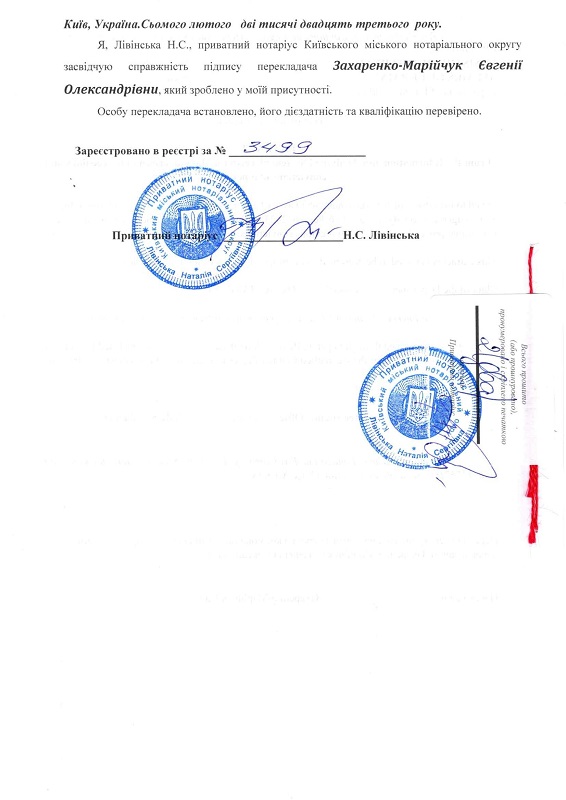
PCC in Ukraine notary approved 2023 below:
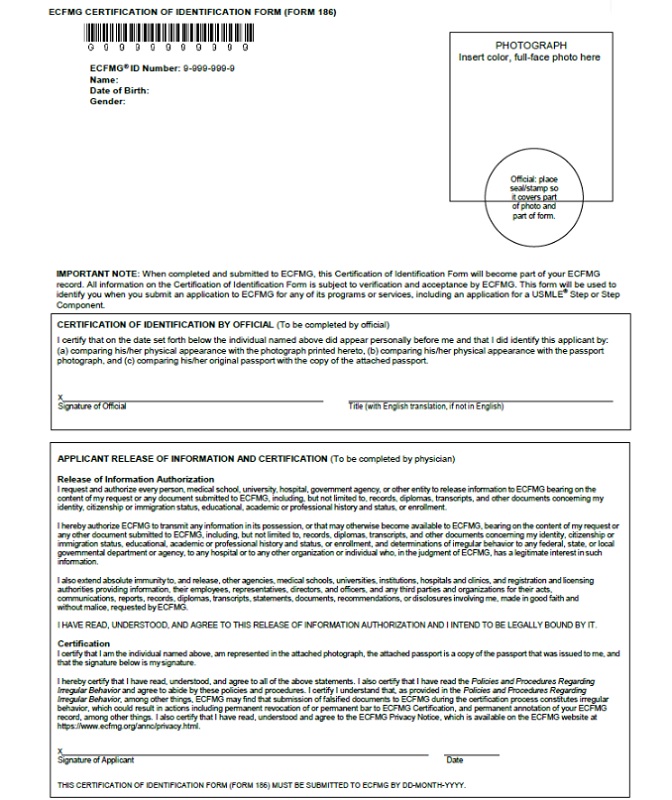
Confirmation of ECFMG verification
ECFMG Verification Assistance for Graduates of LSMU and KNMU
If you graduated from Lugansk State Medical University (LSMU) or Kharkiv National Medical University (KNMU) and need ECFMG verification,
Invitation4Visa can assist you throughout the document verification process.
We understand that preparing documents for international medical certification can be confusing, especially when universities have changed their administrative procedures over the years.
Our goal is to help graduates navigate the verification process as smoothly as possible.
What Is ECFMG Verification?
The Educational Commission for Foreign Medical Graduates (ECFMG) verifies the educational credentials of international medical graduates who plan to continue their medical careers in the United States.ECFMG verification confirms that your medical diploma and academic credentials have been successfully verified according to the required procedures. It is an important step for many international medical graduates who wish to continue the U.S. medical education and licensing pathway.
Who May Need ECFMG Verification?
ECFMG verification is commonly required by international medical graduates who plan to:
• Apply for residency programs in the United States
• Continue postgraduate medical education
• Participate in clinical training programs
• Complete credential verification for future medical licensing
Depending on your individual career pathway, additional examinations or requirements may also apply.
How Can We Help?
Our team provides practical assistance during the document preparation and verification process.
Our services may include:
• Reviewing your available documents
• Explaining the current ECFMG verification procedure
• Assistance with preparing the required paperwork
• Guidance during document submission
• General consultation regarding verification requirements
• Following the progress of your application when appropriate
Every case is different, and the required documents may vary depending on your university, graduation year, and individual circumstances.
Why Choose Invitation4Visa?
We have experience assisting graduates of LSMU and KNMU with document preparation and verification-related questions.
Our objective is to make the process easier by providing clear guidance, helping applicants avoid common mistakes, and explaining each stage of the verification procedure.
Frequently Asked QuestionsHow long does ECFMG verification take?Processing times vary depending on your university, the availability of academic records, and the verification process itself. Every application is different.
Can graduates of LSMU apply for ECFMG verification?
Yes. Graduates of Lugansk State Medical University may apply if they meet the applicable ECFMG requirements and provide the necessary documentation.
Can graduates of KNMU apply for ECFMG verification?Y
es. Graduates of Kharkiv National Medical University may also complete the verification process according to the current ECFMG procedures.
Can Invitation4Visa guarantee ECFMG approval? No.The final decision always belongs to ECFMG. Our role is to assist applicants with document preparation, explain the verification process, and help reduce mistakes that could delay an application.
Why Should You Start Early?
Collecting university records and preparing supporting documents may take time. Beginning the verification process as early as possible can help avoid unnecessary delays and allow sufficient time to respond if additional documents are requested.
Need Assistance? If you are a graduate of LSMU or KNMU and have questions about ECFMG verification, Invitation4Visa can guide you through the document preparation process and provide practical assistance at every stage.
Contact us today to begin your ECFMG verification process and unlock global medical career opportunities with confidence and support.
How Long Does It Take to Get a European Work Visa?
How long does it take to get a European work visa?
The answer depends on several factors, including the destination country, the employer's preparation of documents, the availability of embassy appointments, government processing times, and the applicant's individual circumstances.
Average Processing Time:
In most European countries, the complete work visa process usually takes between 3 and 12 weeks. Some countries issue work visas much faster, while others require additional time for document verification, visa processing, or immigration procedures.
The exact processing time always depends on the country where you apply and the type of work visa requested.
Typical Stages of the Process:
Step 1 – Employer Prepares the Documents:
The employer prepares all required documents for your employment. Depending on the country, this may include an employment contract, employer invitation, work permit, accommodation documents, insurance, or other supporting paperwork.
Step 2 – Receiving the Application Package:
After the documents have been prepared, the applicant receives the complete package required for the work visa application.
The exact list of documents depends on the immigration requirements of the destination country.
Step 3 – Visa Application
The applicant submits the work visa application at the embassy or consulate responsible for their country of residence.
Step 4 – Visa Processing
The embassy or consulate reviews the application, verifies the documents, and may request additional information or schedule an interview if required.
Step 5 – Visa Issuance
If the application is approved, a National Type D Work Visa or another appropriate work visa is placed in the applicant's passport, allowing legal travel for employment.
What Can Affect Processing Time?
Several factors may influence how quickly a work visa is issued:
• Destination country
• Embassy or consulate workload
• Seasonal demand
• Availability of visa appointments
• Accuracy and completeness of the submitted documents
• Additional document requests
• Security or background checks, if required
Can the Process Be Faster?
Yes.Applications are usually processed more efficiently when all required documents are prepared correctly from the beginning. Working with an experienced employer or visa consultant also helps reduce delays caused by missing paperwork or application errors.
Should I Buy My Flight Ticket Before Receiving My Visa? Usually No.
We strongly recommend waiting until your work visa has been approved and your passport has been returned before purchasing airline tickets or making irreversible travel arrangements. Visa processing times are determined by government authorities and embassies, so approval dates cannot be guaranteed in advance.
Our Recommendation
If you are planning to work legally in Europe, begin preparing your documents as early as possible. Starting the process in advance gives you more flexibility and helps avoid unnecessary delays. Invitation4Visa assists applicants with employer invitations, work permit documentation, visa application guidance, and legal employment opportunities in several European countries. Processing times vary depending on the destination country, employer, and immigration authorities.
Can I Apply for a European Work Visa Without a Job Offer?
Many people ask: "Can I get a European work visa without a job offer?" In most cases, the answer is no.
Most European countries require applicants to have a confirmed job offer from an employer before applying for a work visa.
A work visa is normally issued only when an employer is willing to hire a foreign worker and provides the documents required by the immigration authorities.
Why Is a Job Offer Required?
A European work visa is intended for legal employment with a specific employer.Before submitting a visa application, the employer usually prepares the necessary employment documents.
Depending on the country, these may include:
• Employment contract
• Employer invitation
• Work permit (where required)
• Accommodation documents
• Other supporting documents requested by the embassy or immigration authorities.
Without a genuine job offer, most applicants cannot meet the basic requirements for a work visa application.
Are There Any Exceptions?
Yes.Some European countries have special immigration programs that allow certain foreign nationals to enter without a traditional job offer.
These may include highly qualified professionals, investors, entrepreneurs, researchers, graduates, or participants in government immigration programs.
However, these programs have their own eligibility requirements and do not apply to most standard work visa applications.
Can I Look for a Job After Arriving in Europe? This depends on the immigration rules of the destination country.
Some countries offer special Job Seeker Visas or residence permits that allow qualified applicants to search for employment after arrival. However, these visas are different from standard work visas and are available only in certain countries under specific conditions.For most European work visa applicants, employment must be arranged before applying for the visa.
Can I Use a Tourist Visa to Find a Job?
Some people enter Europe on a tourist visa hoping to find work.
Although you may attend meetings or explore employment opportunities in some countries, a tourist visa generally does not allow legal employment.
In most cases, you cannot simply change a tourist visa into a work visa while remaining in the country.
If your goal is legal employment, it is usually necessary to complete the work visa process according to the immigration rules of the destination country.
What Is the Best Way to Get a European Work Visa?
The safest and most reliable option is to secure a genuine job offer from a legitimate employer before starting your visa application.
Once the employer has prepared the required documents, you can submit your work visa application through the appropriate embassy or consulate.
Working with an experienced employer or professional visa consultant can also help reduce mistakes, avoid unnecessary delays, and ensure that all required documents are prepared correctly.
Our Recommendation
If you are planning to work legally in Europe, begin by finding a reliable employer that is authorized to hire foreign workers.
Our team assists applicants with employer invitations, work permit documentation, and work visa application guidance for several European countries.
The exact requirements depend on the destination country, your nationality, and the type of employment.
Reviews:
I applied for a Ukrainian work visa and was not sure at first, but the whole process was quite fast and there were no big problems. I got my visa in good time.They also recommended me to apply for the Ukrainian visa at the Ukrainian Consulate in Jakarta, Indonesia, where it could be done in 2 days. I had some doubts, but really everything was fast and smooth.Big thanks to Alexander for helping me till the end and getting the result. Really appreciate it.
Thanks Alexander migration consultant for chance come Poland for seasonal work. Also big thanks to employer for make all visa papers for me. I dont need pay money for DHL or courier because my invitation was signed with electronic signature and issued by District Labour Office. It save me money and time. Everything was ok and I get my Poland work visa. I will recomand Invitation4Visa to my friends. Wish u more clients and good luck. Akniyet